Humble Type: The Handwritten Font for Modern Design
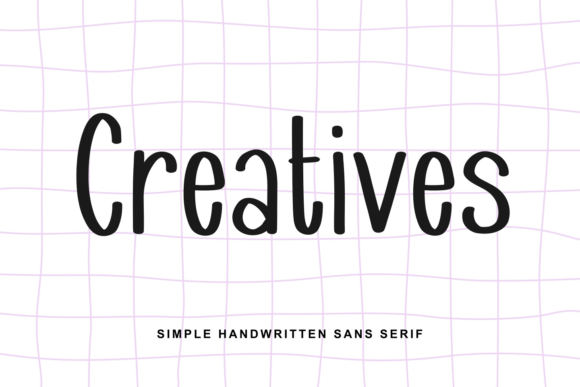
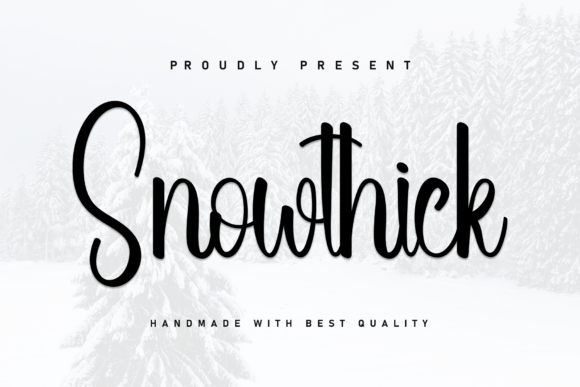
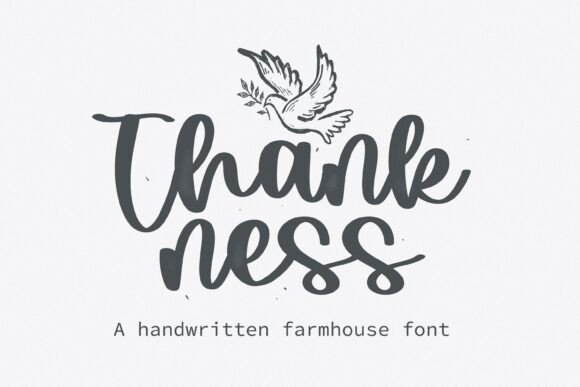
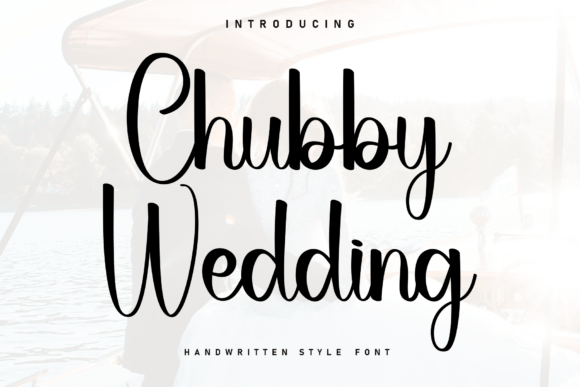
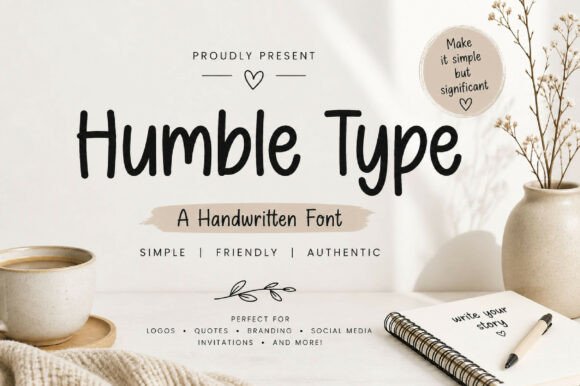
In a digital landscape saturated with bold, impersonal typefaces, finding a font that feels both authentic and professionally crafted can transform a design. Enter Humble Type, a handwritten display font that masterfully blends warmth with clarity. Its smooth strokes and rounded letterforms offer a clean, approachable aesthetic that feels simultaneously modern and timeless. This unique character makes it a versatile tool for designers seeking to inject personality without sacrificing readability or professional polish.
Why This Font Resonates in Modern Graphic Design
Today's visual design trends increasingly favor authenticity and human connection. Audiences respond to brands that feel genuine and relatable. Humble Type directly addresses this need. Its minimal, handcrafted style creates an immediate emotional bridge, making communications feel more personal and less corporate. This is crucial for effective visual communication, where the goal is not just to be seen, but to be felt and remembered. The font's balanced and friendly character enhances brand identity by adding a layer of softness and approachability that rigid, geometric fonts often lack.
Practical Applications Across Creative Projects
The true strength of a font like Humble Type lies in its adaptability. Its clean handwritten style ensures it performs well across a multitude of contexts, maintaining legibility at various scales. Consider its potential in these key areas:
- Branding and Logo Design: It can soften a brand's visual identity, making logos and wordmarks feel more inviting, perfect for lifestyle, wellness, artisanal, or boutique brands.
- Marketing Materials & Social Media: For social media graphics, email headers, and digital ads, it adds a human touch that can increase engagement and stop the scroll. It feels native to platforms like Instagram and Pinterest.
- Packaging and Editorial Design: On product packaging, it conveys handcrafted quality. In editorial layouts, it works beautifully for pull quotes, subheadings, or section titles, adding visual interest without disrupting the flow.
- Web and UI Design: Used strategically for headings or accent text, it can break the monotony of standard UI fonts, improving user experience by adding a moment of delight and personality.
- Presentation and Merchandise: Elevate pitch decks and presentations with a font that feels polished yet personal. It also translates well to merchandise like apparel or stationery, where a handcrafted feel is a premium asset.
Integrating Typography into Your Design Workflow
Selecting a font is just the first step. To maximize its impact, integrate it thoughtfully into your broader design system. Always consider your audience and project goals. A font like Humble Type is ideal for projects aiming for a soft, modern aesthetic but might not suit contexts requiring extreme formality or ultra-high-density text. Pair it with a clean, neutral sans-serif for body copy to ensure optimal readability and establish a clear visual hierarchy. Test its scalability—ensure it remains crisp from a small favicon to a large poster. Most importantly, ensure consistency across all touchpoints to build a cohesive and professional brand presentation.
Thoughtful typography is a cornerstone of exceptional design. It shapes perception, guides the eye, and conveys subtle nuances of tone and quality. Choosing creative assets like Humble Type is an investment in your project's communicative power and aesthetic appeal. By prioritizing fonts that align with your design goals and resonate with your audience, you elevate the entire visual experience, ensuring your work is not only beautiful but also effective and memorable.